My Dog Has Passed Their Expert Level Assessment – Can They Do Lost Dog Searches Now?
The short answer? No – not yet.
Passing an expert level assessment is a huge achievement and something to be genuinely proud of. It reflects the hard work, time and consistency you’ve put into your training. But it’s not the end of the journey; in many ways, it’s just the beginning of the next stage.
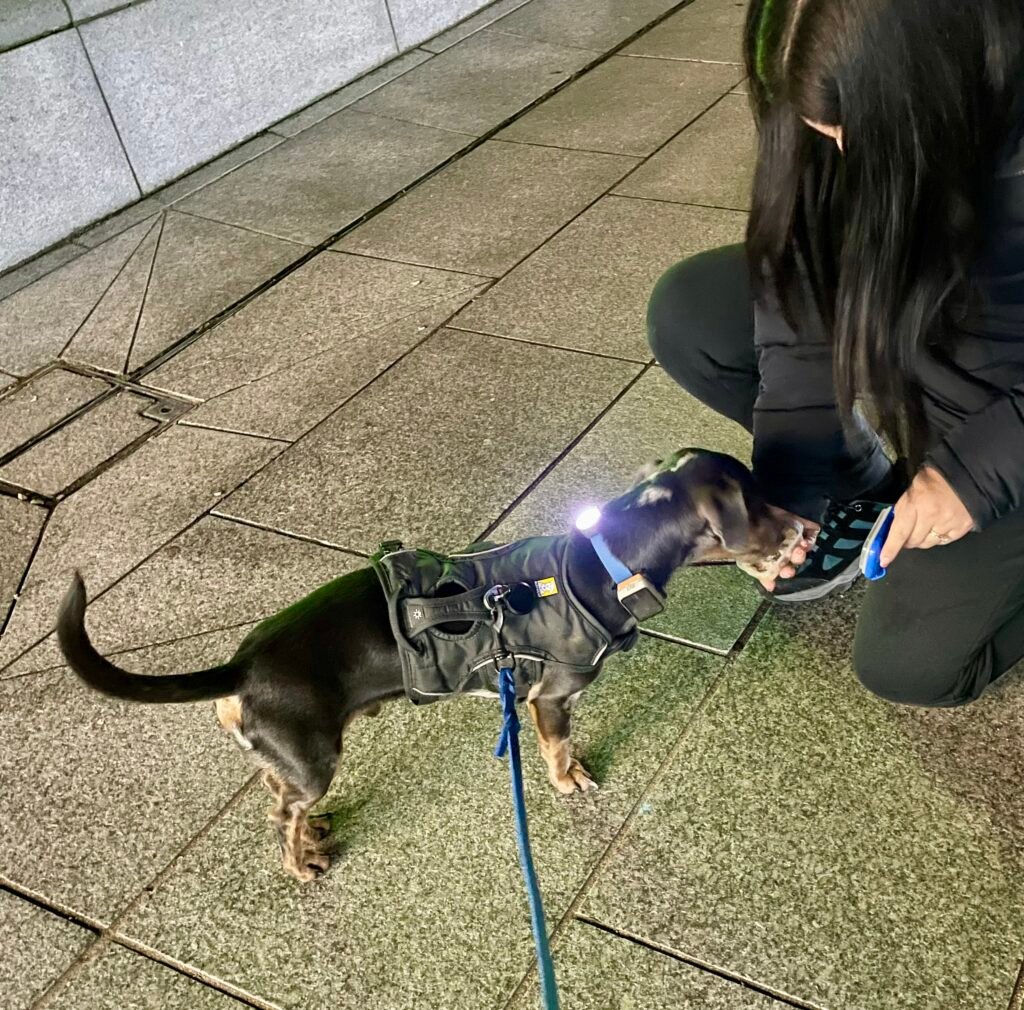
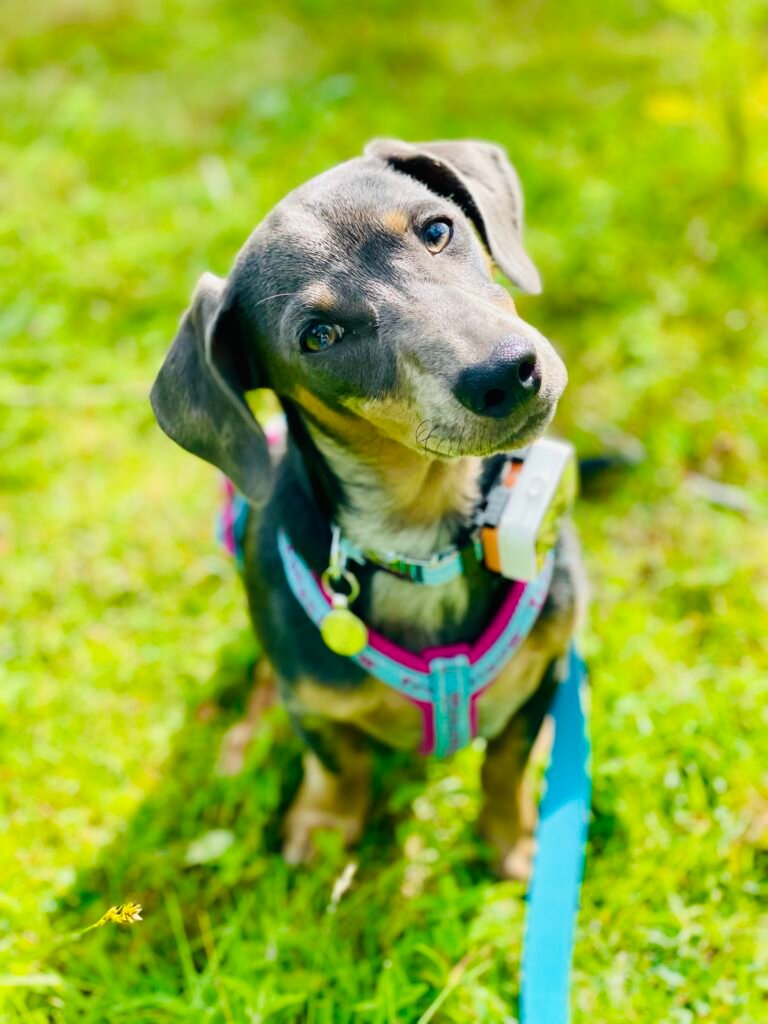
Take my own dog, Jem, for example. He’ll hopefully be sitting his Expert assessment in January and while I’m confident in his ability and thrilled with his progress, he still has a lot of growing up to do before he’s ready for real-life lost dog work. Even if he passes, Jem won’t suddenly be out searching for dogs.
Real-Life Search Work Is a Different World
Assessments are for fun, designed to test skill, control and teamwork in a structured environment. Real searches are none of those things. They’re unpredictable, emotionally charged and messy.
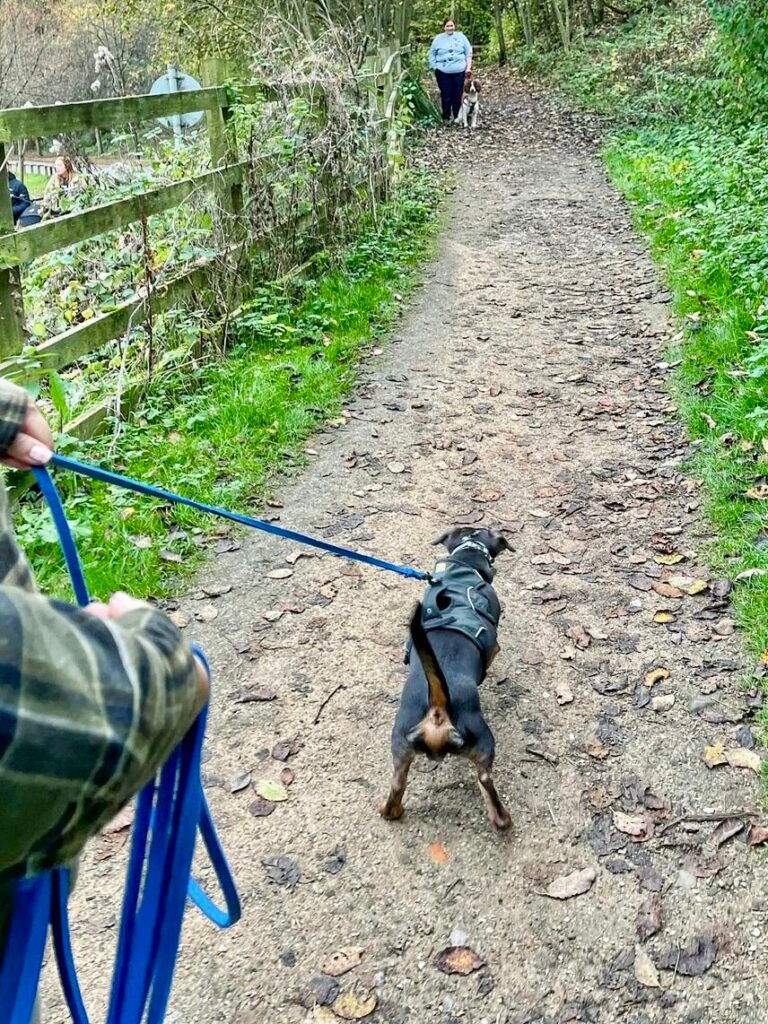
The weather changes. Information changes. Sometimes there are long waits with nothing happening, followed by sudden bursts of activity. There may be livestock, traffic, dogs off lead and emotional owners close by. Your dog’s ability to cope calmly and safely in those situations is just as important as their scenting ability.
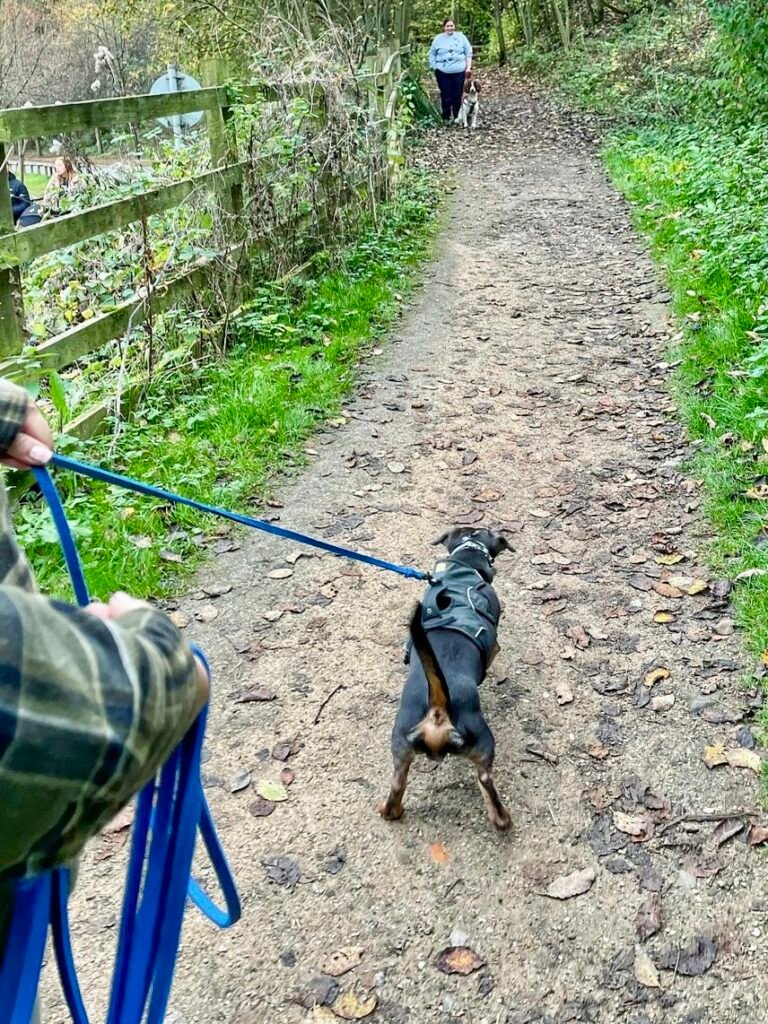
Jem is a great worker, but like many young dogs, he still has moments of distraction—especially around other dogs which he finds super exciting. Until he can stay steady no matter what’s happening around him, it wouldn’t be fair—or safe—to ask him to work a real case.
Why “Not Yet” Matters
Taking a dog out too soon doesn’t just risk your own safety. It can:
- Disrupt the search: An inexperienced or distracted dog can mislead a team or disturb an area that needs to remain undisturbed for accurate scent work.
- Damage the dog’s confidence: If a dog faces more pressure than they’re ready for, they can lose trust in their handler or the work itself.
- Reduce trust from search partners: Other teams, including drone and volunteer searchers, rely on accurate and reliable input. Inexperience can undermine collaboration.
Building a confident, reliable search dog takes years, not months. Every hour of thoughtful training now prevents mistakes later when it really matters.
Involving your dog in lost dog searches can also invalidate your pet insurance so it’s important to check you’re properly covered.
Building Real-World Readiness
So, what does that in-between stage look like? For Jem, it means:
- Continuing to work alongside experienced teams—not leading searches, but assisting for short, carefully managed periods in environments he’s proven to be steady in.
- Gaining more exposure to challenging environments: urban noise, livestock fields, public parks and unpredictable weather.
- Strengthening his focus and emotional steadiness, especially when tired or when other dogs are nearby.
- Developing my own ability as his handler—to read him accurately, stay calm, make decisions and manage pressure.
These experiences can’t be simulated in training alone. They need to be introduced gradually, always keeping the dog’s welfare and confidence front and centre.
The Value of Patience
It’s easy to feel impatient once your dog is performing well in training. You want to put those skills to use and help people. That motivation is wonderful—but responsible search work is about knowing when not to go.
Taking time to build maturity, resilience and calmness means that when the time comes, your dog will be ready to contribute safely, confidently and effectively. That’s the goal—not just passing assessments, but being dependable when it counts most.
Referring people to established Lost Dog Search organisations is often the best solution – they have the equipment and experience to assist effectively.
In Summary
Passing an expert assessment is a milestone, not a finish line. Jem’s progress reminds me daily that expertise isn’t just about what a dog can do—it’s about when and how they do it.
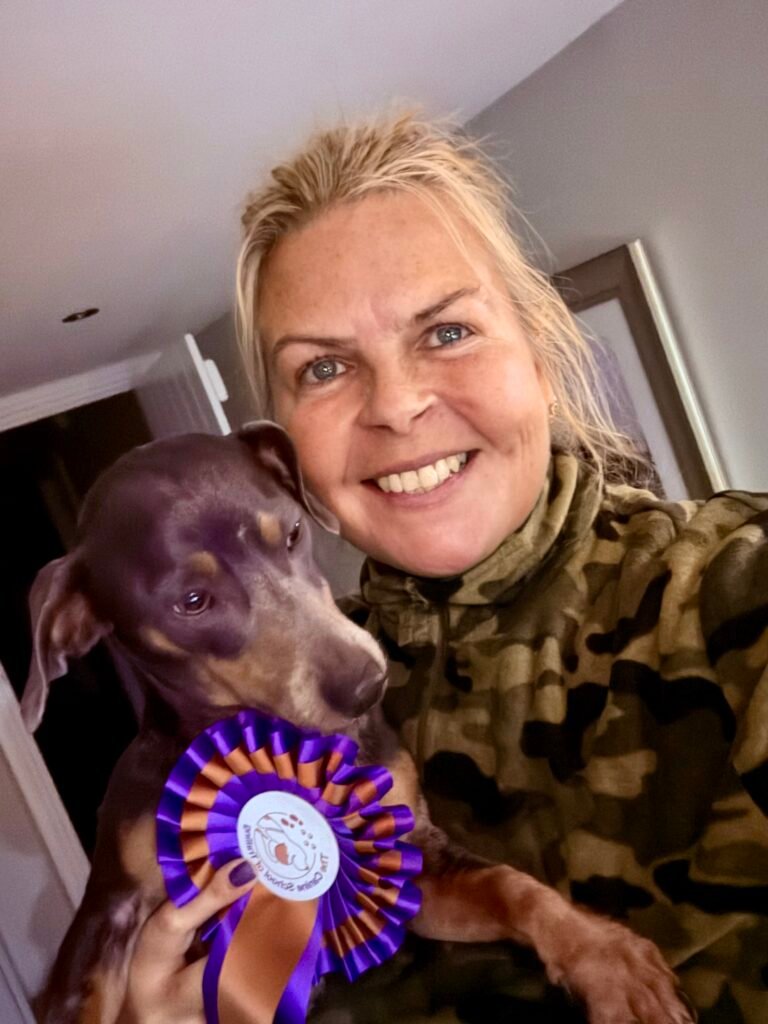
So if your dog has just passed their assessment, celebrate it! You’ve earned it. Then take a deep breath, refocus and keep building the experience and steadiness that turn an excellent trainee into a truly reliable trail dog.
Because the best search dogs aren’t just skilled—they’re ready.